
 中文
中文 Malaysia


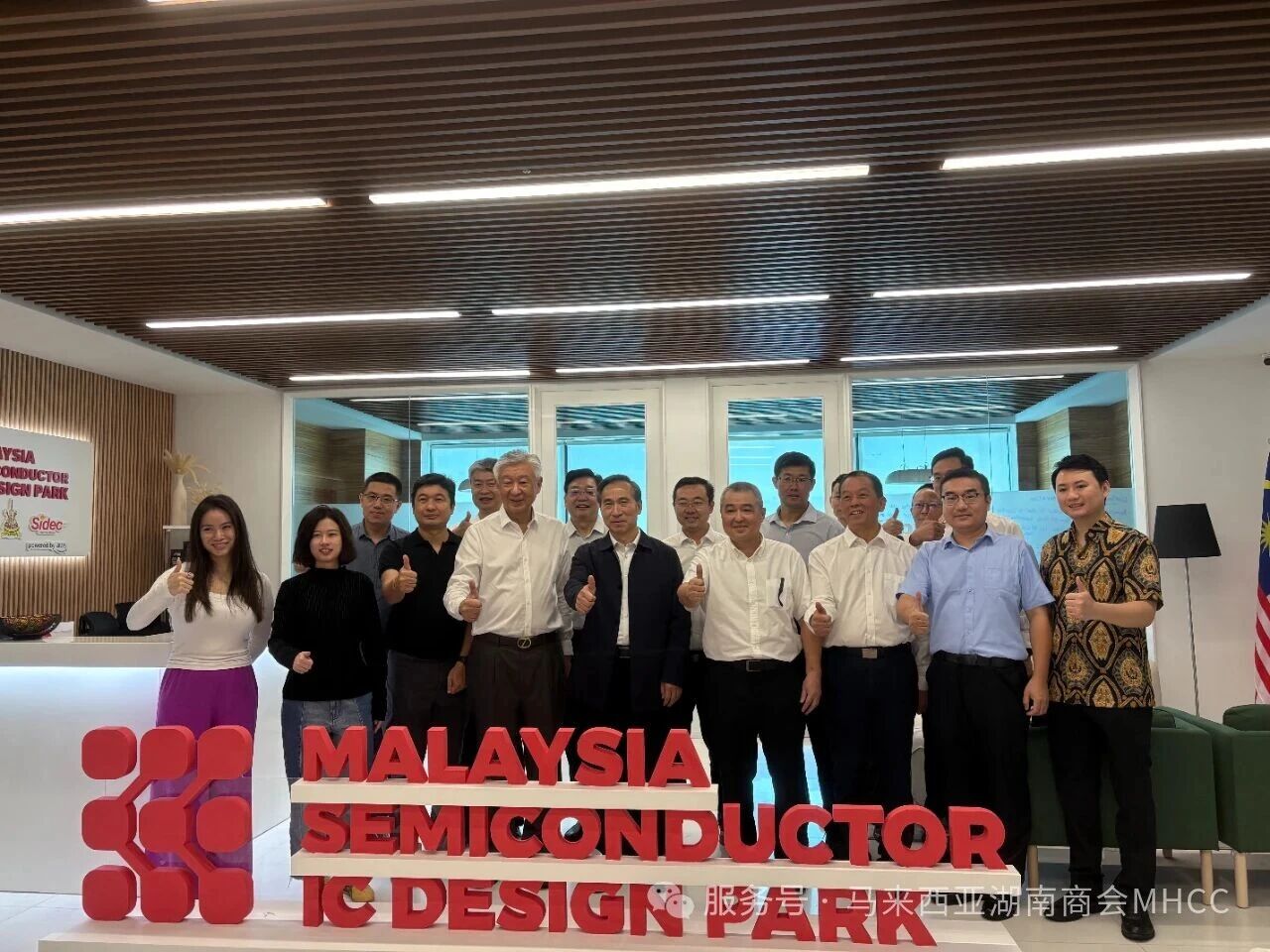
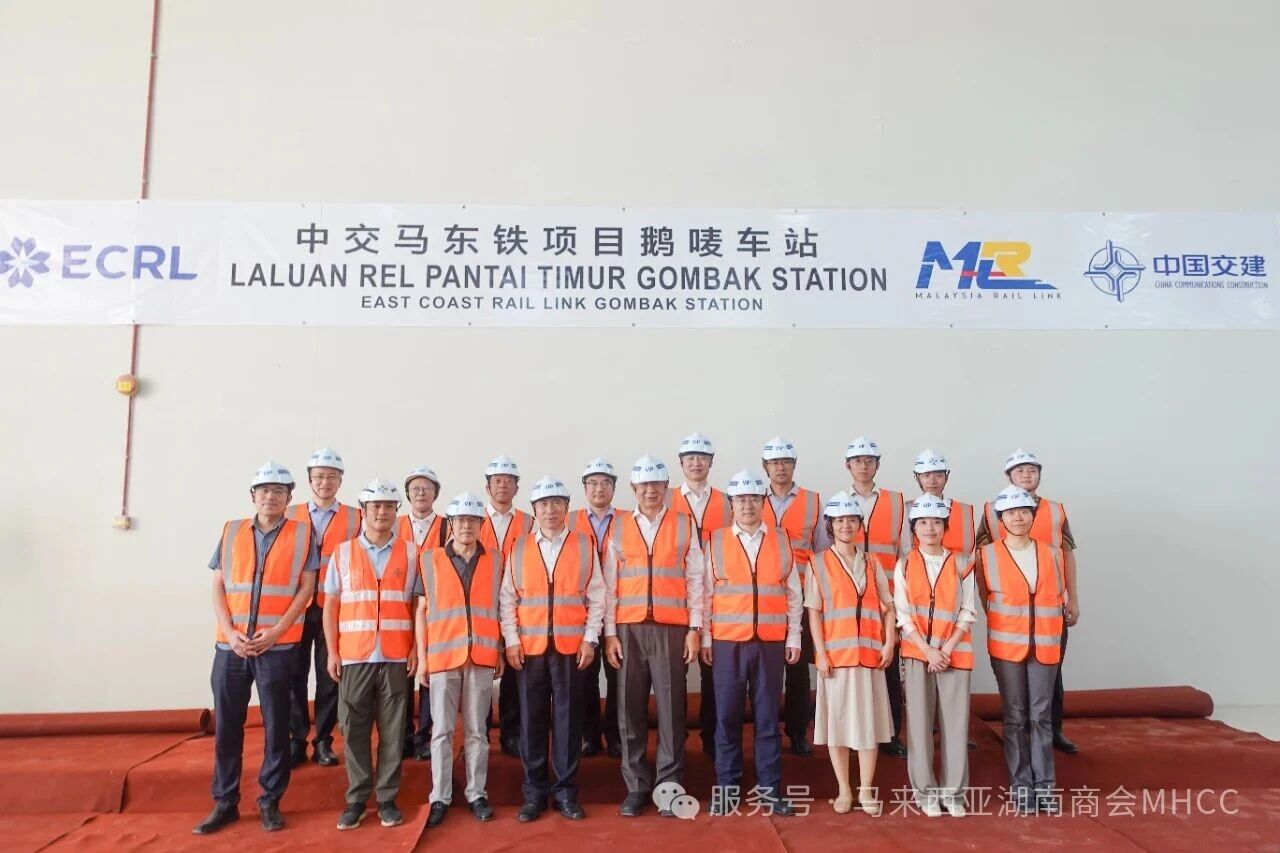
On October 26, 2025, Ren Hongbin, Chairman of the China Council for the Promotion of International Trade (CCPIT), led a delegation of Chinese enterprises to Selangor State. The delegation conducted inspections of the PFCC Semiconductor Integrated Circuit Design Industrial Park and the ongoing Malaysia East Coast Rail Link (ECRL) project, constructed by China Communications Construction Company (CCCCC)
On October 26, 2025, Mr. Ren Hongbin, Chairman of the China Council for the Promotion of International Trade (CCPIT), led a delegation of Chinese entrepreneurs on a high-density, one-day inspection tour to Selangor, Malaysia. The delegation visited the Semiconductor Integrated Circuit (IC) Design Industrial Park located in the Puchong Financial & Commercial Centre (PFCC) and inspected the Malaysia East Coast Rail Link (ECRL) project, which is being constructed by China Communications Construction Company (CCCCC).
1. Visiting Southeast Asia's Largest IC Design Park The Selangor Semiconductor Integrated Circuit Design Park, officially launched in August 2024, stands as Malaysia's first and Southeast Asia's largest integrated circuit design centre. Spanning 60,000 square feet, the park aims to foster innovation and enhance Malaysia's reputation in high-tech manufacturing and design. Chairman Ren Hongbin and his delegation received detailed briefings on the park's strategic positioning, infrastructure development, and future potential. Designed to accommodate over 400 IC design engineers, the park seeks to attract global talent and investment, thereby driving advancements in cutting-edge technology. Its partners include internationally renowned semiconductor companies such as ARM Holdings, Cadence Design Systems, Synopsys, and Siemens EDA, as well as Chinese institutions like the Shenzhen Semiconductor Industry Association.
2. Inspecting Progress on the ECRL Project The delegation subsequently inspected the Malaysia East Coast Rail Link (ECRL) project, a flagship initiative under the Belt and Road Initiative constructed by China Communications Construction Company (CCCCC). Stretching over 600 kilometers, the railway will connect Port Klang on Malaysia's west coast with the East Coast Economic Region and is scheduled to commence full-line operations in January 2028.
The ECRL project utilizes China Railway Class I electrified standard-gauge technology for both passenger and freight transport, with a designed speed of 160 km/h for passenger trains and 80 km/h for freight trains. Upon completion, the project will significantly enhance logistics and transportation efficiency between the east and west coasts of Peninsular Malaysia, facilitating the country's closer integration into the international trade system.

Address: NO 6-2, LORONG TIARA 1B, BANDAR BARU KLANG, 41150 KLANG, SELANGOR DARUL EHSAN,MALAYSIA
Tel: +603-3345 9676
E-mail: [email protected]